

Laboratory of Protein Engineering
Responsible person: prof. RNDr. Erik Sedlák, DrSc.
Mgr. Mária Tomková, PhD.
Analyses
Research Focus
The Protein Engineering Laboratory focuses on the development and optimization of proteins and binding molecules using directed evolution approaches, particularly ribosome display technology. Experimental workflows include the preparation of genetic variant libraries, PCR amplification, gene cloning, and electrophoretic DNA analysis, together with verification of genetic constructs. This cell-free platform enables the selection of protein variants without the need for cellular transformation, significantly expanding library diversity and accelerating the identification of candidate molecules for downstream analysis and applications.
Commercial Services
We provide comprehensive molecular biology and protein engineering services designed to accelerate the development of binding molecules — from genetic construct design, PCR analysis, and gene cloning to electrophoretic DNA quality control. By leveraging ribosome display technology, we efficiently identify and optimize promising molecular candidates, substantially shortening the path from experimental concept to functional solution.
Services
Protein Engineering – Ribosome Display
- Design and preparation of plasmid vectors and genetic constructs
- Preparation and diversification of genetic variant libraries
- Selection of binding molecules using ribosome display
- Iterative optimization of affinity and specificity of protein variants
- Basic testing and verification of protein constructs
Molecular Biology Services
- Conventional and gradient PCR amplification of DNA
- Gene and genetic construct cloning
- Agarose gel electrophoresis and DNA fragment analysis
- Sequencing-based verification of genetic constructs

Laboratory of Protein Engineering
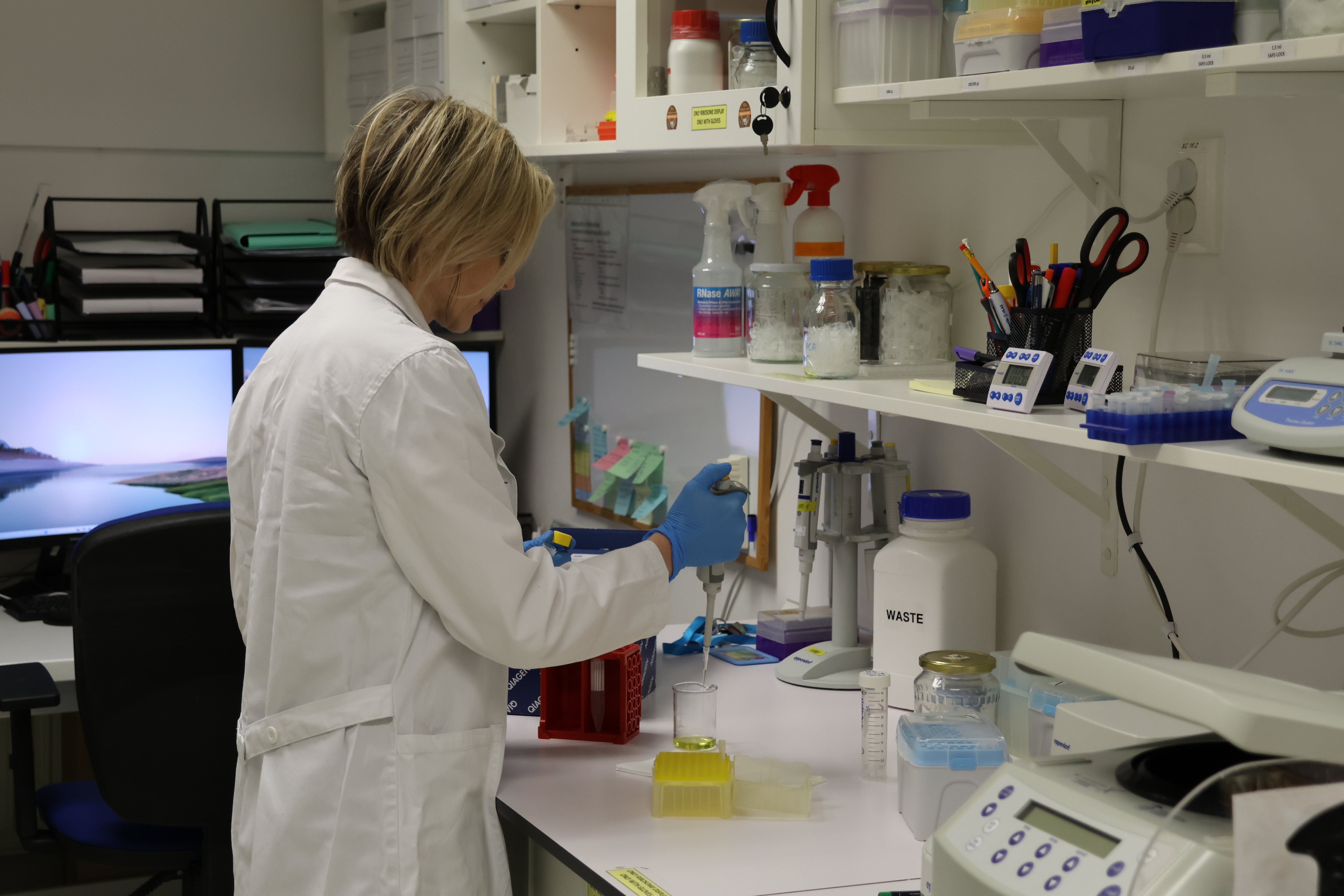
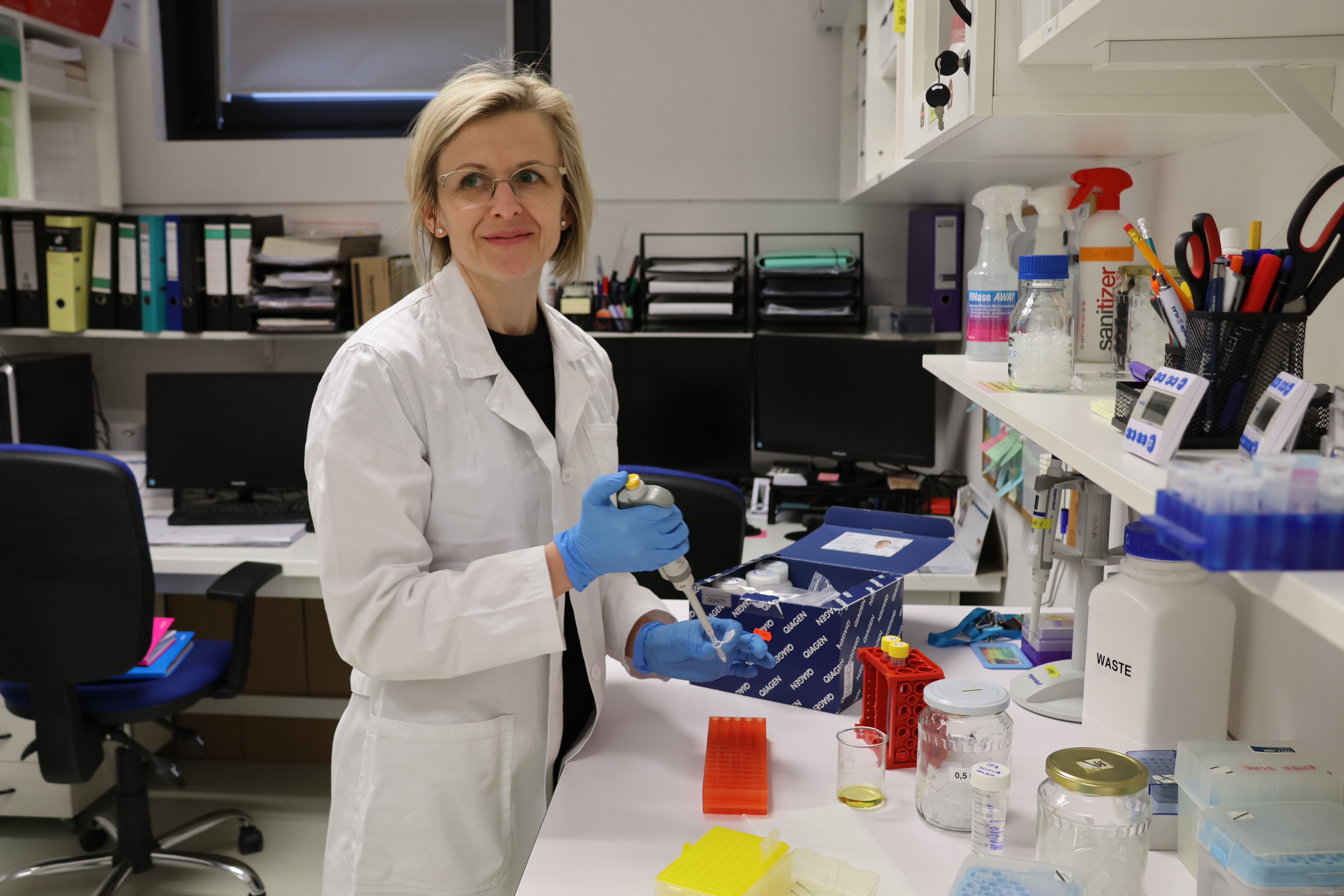
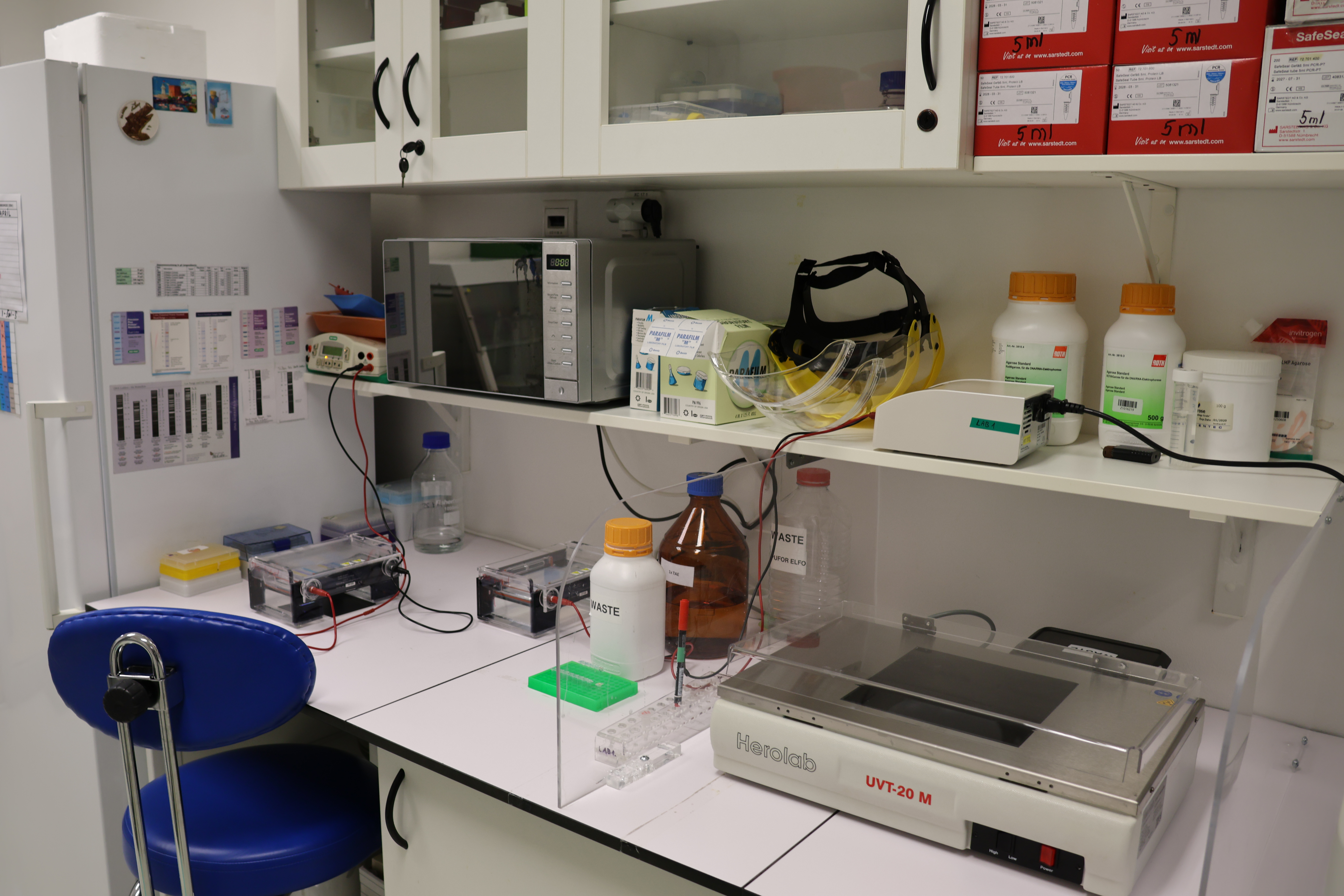
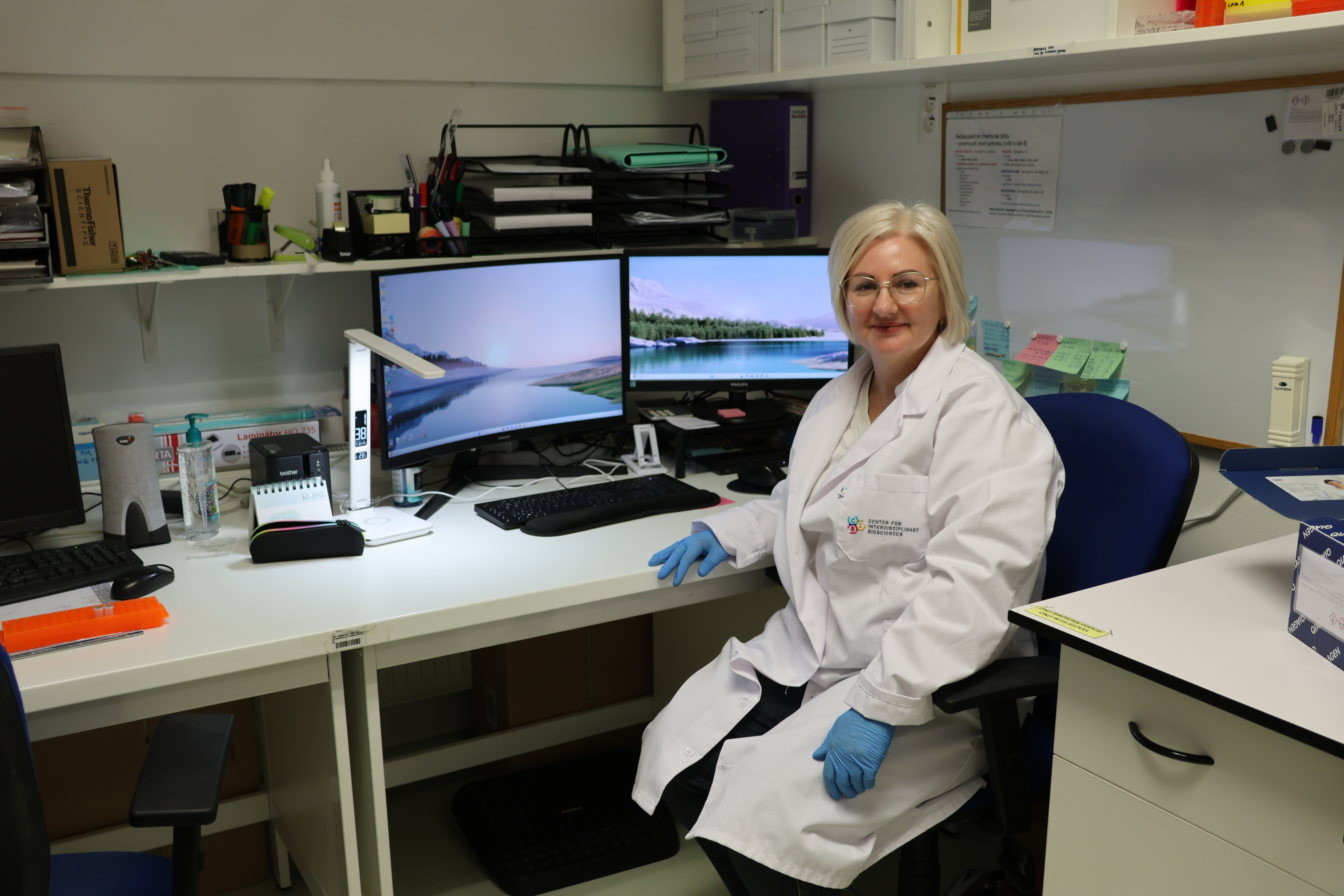
The laboratory is equipped with key instrumentation for molecular biology experiments, including a PCR thermocycler (Eppendorf Mastercycler X50S) and a PCR workstation (Biosan). It features systems for agarose gel electrophoresis (Bio-Rad PowerPac HC), a UV transilluminator (Herolab) for DNA visualization, a refrigerated centrifuge (Eppendorf 5424 R), and thermomixers (Eppendorf, Biosan), enabling efficient sample separation and controlled incubation of prepared samples.

Laboratory of Biotechnology and Cell Physiology
The laboratory employs cellular models and advanced analytical techniques to investigate the expression, localization, and biological activity of recombinant proteins. Using confocal microscopy, flow cytometry, spectroscopic methods, and metabolic analyses, we evaluate protein–cell interactions, stability, cytotoxicity, and functional properties within biological systems.

Laboratory of Laser Spectroscopy
The Laboratory of Laser Spectroscopy focuses on the investigation and detailed analysis of molecular processes using advanced spectroscopic and optical techniques with high sensitivity and temporal resolution.

Laboratory of Biothermo-dynamics and Optical Spectroscopy
The Laboratory of Biothermodynamics and Optical Spectroscopy focuses on the biophysical characterization of biomacromolecules, the investigation of ligand interactions with proteins and nucleic acids, and the analysis of the stability and functional properties of biological complexes using advanced optical and spectroscopic techniques.

Laboratory of Molecular Biology
The laboratory specializes in the comprehensive processing of biological samples, with a particular focus on proteins and nucleic acids. Its expertise encompasses the isolation, purification, targeted molecular modification, and detailed structural and functional characterization of these biomolecules.

Laboratory of Cell Cultures
The laboratory provides the preparation of both live and fixed cell samples and employs advanced cell biology, imaging, and bioanalytical methodologies for the assessment of cell viability, proliferation, cellular responses to biologically active compounds, and the analysis of molecular and physiological changes at the single-cell level.

Laboratory of Confocal Microscopy
The laboratory utilizes a state-of-the-art confocal microscope for high-resolution 2D and 3D fluorescence imaging of cells, tissues, and biomaterials, enabling the analysis of intracellular processes, biomolecular localization, the spatial organization of cellular structures, and dynamic changes induced by experimental conditions or biologically active compounds.

Laboratory of Flow Cytometry
The laboratory is equipped with a CytoFLEX SRT cell sorter (Beckman Coulter) for precise cell sorting and a CytoFLEX S analyzer (Beckman Coulter) for flow cytometric analysis. The instrumentation is complemented by a Class II laminar flow cabinet (ESCO) for the safe handling of biological materials, a refrigerated centrifuge (Eppendorf 5430 R), a Gene Pulser Xcell electroporation system (Bio-Rad) for cell transformation, and a QIAGEN TissueLyser III homogenizer.

Laboratory of Time Resolved Microscopy
The laboratory employs highly sensitive time-resolved measurement techniques for the characterization of cellular processes, molecular interactions, and changes induced by external stimuli or biologically active compounds, providing insights that are not accessible through conventional imaging methods.

Laboratory of Raman spectroscopy
The laboratory enables non-invasive and contact-free identification of molecular composition, structural changes, and chemical interactions within analyzed systems, providing detailed information on biomolecules, cellular structures, nanomaterials, and functional surfaces.

Laboratory of Recombinant Proteins
We perform protein purification using affinity chromatography and size-exclusion chromatography, with purity assessment carried out through SDS-PAGE and HPLC systems. For biophysical characterization, we employ differential scanning calorimetry (MicroCal VP-Capillary DSC) and circular dichroism spectroscopy (Chirascan V100), enabling detailed analysis of protein stability, conformation, and molecular interactions. Our capabilities also include protein crystallization using the Crystal Gryphon robotic system and stereoscopic microscopy (Leica Microsystems Ivesta 3) for the optimization of crystallization conditions and subsequent crystal analysis.

Laboratory of bacterial culture
The laboratory is equipped with instrumentation for bacterial cultivation under controlled conditions, including precise regulation of temperature, aeration, and agitation, enabling efficient production of recombinant proteins. It also supports downstream processing through cell harvesting, mechanical and ultrasonic cell disruption, and the isolation and analysis of proteins using centrifugation and spectrophotometric techniques.

Laboratory of Translational Biology
The laboratory is dedicated to research involving cell culture systems and preclinical avian embryo models, including the chorioallantoic membrane (CAM) of quail and chicken embryos. Its core activities include cell and embryo culture, aseptic laboratory procedures, protein isolation from cultured cells, protein separation, immunolabeling of samples for microscopy, and fluorescence and histological staining of biological specimens.

Laboratory of Insect Cell
The Insect Cell Culture Laboratory specializes in the production of recombinant proteins using the baculovirus expression vector system (BEVS) in Spodoptera frugiperda (Sf9) cell lines. The platform supports the entire workflow-from genetic construct design and generation of recombinant baculoviruses to scalable protein expression for research and biotechnological applications. The laboratory is equipped with modern instrumentation, including centrifuges, a laminar flow cabinet, incubators, microscopes, and thermoshakers, enabling efficient generation, propagation, and utilization of recombinant baculoviruses as well as high-quality recombinant protein production.

Technology room
The facility serves as a centralized support unit for the preparation, processing, and maintenance of laboratory equipment, consumables, and materials required for research and experimental workflows.

Technical room
The laboratory is equipped with a High-Performance Liquid Chromatography (HPLC) system, a powerful analytical platform for the separation, identification, and quantification of compounds in biological and chemical samples.

Laboratory of Biophysical Characterization of Biomacromolecules
The laboratory instrumentation infrastructure combines advanced methods of optical detection, microfluidics, and mass photometry, enabling the investigation of samples in their native state with high accuracy.

Bioinformatics
Our team employs genomics and machine learning algorithms to establish a novel framework for studying nanobody dynamics. To streamline large-scale screening, we are developing a fully automated docking pipeline.

Synthesis of organic molecules
Synthesis of organic molecules for biochemical and cellular assays.